Kenyan social commerce startup Twiva raises funding led by Jobtech Alliance

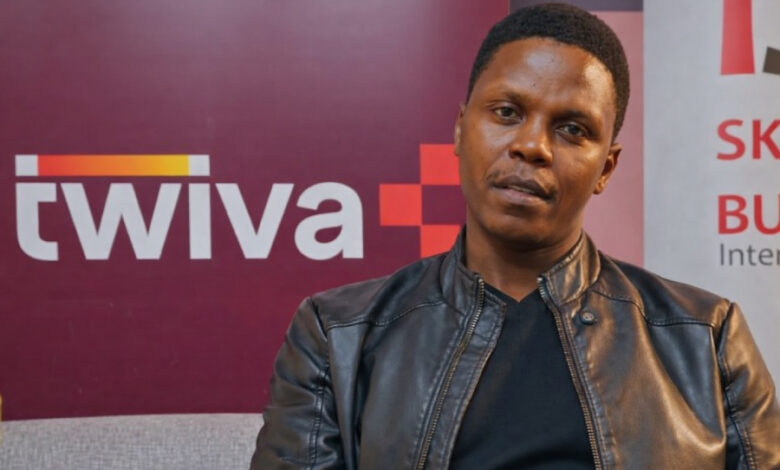
Twiva, a Kenyan startup, is changing the landscape of opportunities for African creators by substituting structured demand, performance-based earnings, and integrated financial services for irregular brand deals.
The Jobtech Alliance, an ecosystem-building initiative around inclusive jobtech in Africa led by Mercy Corps and BFA Global, was reported by the media in October 2022. The initiative’s goal is to create an environment that encourages entrepreneurs to create platforms that provide high-quality livelihoods, are inclusive, and allow users to engage in decent work.
It has managed a number of cohorts, but it is now directly investing in pertinent businesses, most recently in Kenya’s Flowcart and Nigeria’s Bumpa, both of which are e-commerce businesses.
The Kenyan startup Twiva, which is addressing the “dual crisis” of youth unemployment and MSME barriers with its influencer-powered social commerce platform that allows MSMEs to market and sell their goods and services through online gig workers, has now received support from Jobtech Alliance.
Jobtech Alliance has been collaborating with Twiva for over six months, offering customized venture support and interacting with creators on the platform. The investment in Twiva, which participated in the fourth edition of the Visa Africa Fintech Accelerator last year, is not disclosed.
“In the process, we confirmed our hypothesis that building the infrastructure to generate consistent, repeat brand demand is the (rewarding!) challenge that platforms need to tackle,” Jobtech Alliance said.
Jobtech provided an explanation for the investment, stating that it was evident that creator audiences are expanding in Africa due to the growth of platforms and monetization tools.
“But reliable incomes remain an issue. Even among top-tier creators, income stability is far from guaranteed. Earnings frequently fluctuate due to seasonal brand campaigns, platform algorithm changes, and shifts in audience engagement,” it said.
In addressing this, Twiva stood out to the organisation for two main reasons.
“It deeply understands demand, and it deeply understands creators. The platform demonstrates that when you structure demand, embed payments, build skills, and treat creators as distributed businesses, you can build repeat revenue and customers for brands and more durable income for creators,” Jobtech Alliance said.
Most African influencer marketplaces have a singular emphasis on discovery. They pool talent in the hopes that demand will follow. Twiva, on the other hand, structures demand first. By integrating campaign management, performance tracking, reporting, and structured payments into the workflow, the platform links brands and SMEs with micro and nano influencers. Instead of just raising awareness, campaigns are increasingly linked to quantifiable results, such as clicks, conversions, and sales. This is due to the fact that brands prioritize repeatability, accountability, and ROI.
However, Twiva’s strength goes beyond simply optimizing brands at the expense of creators; its demand structuring serves to provide more consistent revenue for creators, which is “the holy grail for many women users.