Healthtech startup Aignosis receive Rs 4 Cr Seed funding support from Antler, Nikhil Kamath

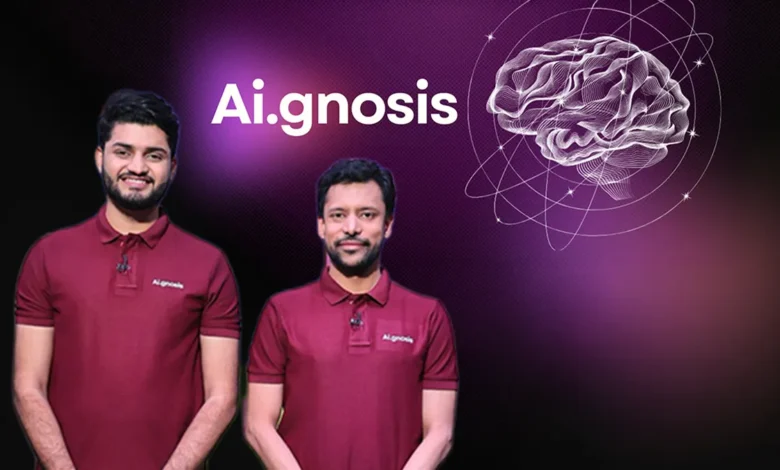
Jaipur-headquartered healthtech startup Aignosis has secured Rs 4 crore in seed funding in a round led by Antler and Nikhil Kamath, with participation from angel investors including Varun Dua and IIMA Ventures.
The company will deploy the fresh capital to take its AI-assisted platform for autism and developmental screening to more parts of India.
Founded by Raksheet Jain and Divyansh Mangal, Aignosis had previously raised its first round of funding in 2024 from investors such as Rajneesh Bhandari and Amit Jain. The startup has since completed the CDSCO regulatory process and obtained Class B certification. It was also selected for the Google for Startups Accelerator: AI First 2025 cohort.
Aignosis has developed a screening system that requires only a standard laptop and webcam and is designed for children between 16 months and nine years of age. During the assessment, a short video covering nine stimulus modules is processed through computer vision to identify behavioural indicators, including gaze patterns, responses to their name and reactions to facial expressions.
Rather than providing a medical diagnosis, the platform produces a risk report that indicates whether the child may need additional clinical evaluation.
The startup currently delivers its solution through a Clinic-in-Clinic model and has deployed the technology across more than 20 government Primary Health Centres in Rajasthan. It has also joined hands with Mankind Pharma, with the pharmaceutical company’s medical representatives helping organise screening camps alongside paediatricians across India.
In another expansion initiative, Aignosis is commencing operations with Apollo Shines across approximately 125 schools.
The company claims that its platform has already been used for more than 8,000 screenings. It is targeting at least 1 lakh screenings by the end of FY27.
As part of its next phase of growth, Aignosis plans to enter Punjab, NCR, Haryana, Tamil Nadu, Jharkhand, Karnataka and Maharashtra. Its expansion strategy will centre on creating wider screening and referral pathways through both government and private healthcare networks.